
Custom Resealable Stand-Up Pouches for Chewing Gum
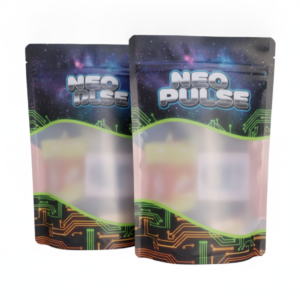
Custom resealable stand-up pouches for chewing gum are flexible packaging bags designed to hold loose pieces, individually wrapped gum, or other specified gum formats while providing a stable retail presentation and a closure that can be reopened after initial use. They are relevant to chewing gum brands, cannabis edible brands, private-label programs, distributors, wholesalers, importers, and buyers managing multiple flavors or product SKUs. Final pouch dimensions, laminate, barrier level, closure design, and regulatory features must be matched to the actual gum and destination market.
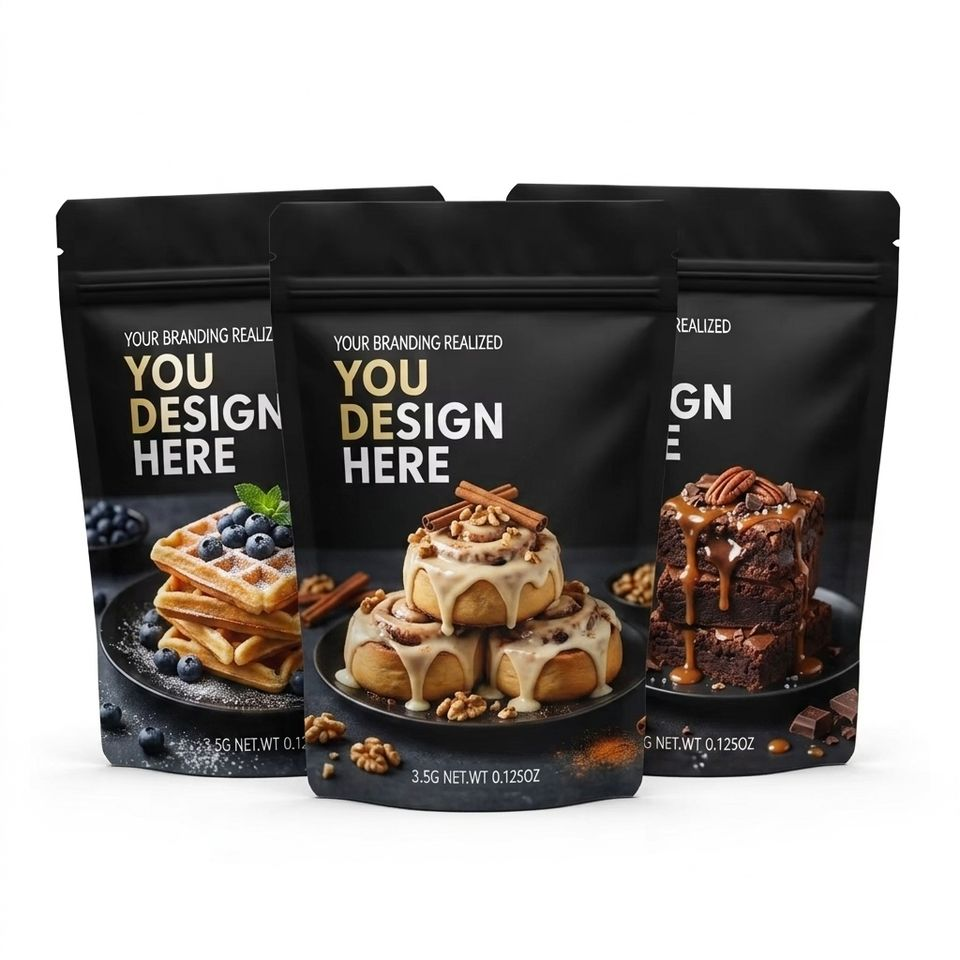
Product Specifications
| Specification | Product Detail |
|---|---|
| Intended contents | Chewing gum; buyers should identify whether pieces are wrapped, unwrapped, coated, filled, medicated, or cannabinoid-infused. |
| Packaging format | Custom stand-up flexible pouch. |
| Closure | Resealable; the exact closure mechanism and required opening performance must be confirmed. |
| Pouch structure | Flexible laminate structure to be selected according to barrier, stiffness, sealability, and appearance requirements. |
| Gusset | Stand-up base configuration; gusset depth and finished stability require confirmation against pouch size and fill volume. |
| Dimensions and capacity | Not specified; determine using gum dimensions, piece count, bulk density, headspace, and filling method. |
| Printing | Custom artwork can be configured subject to the selected substrate, print process, finish, and approved die line. |
| Barrier performance | Depends on the complete laminate, closure, edge seals, and final sealing conditions. |
| Child resistance | Not established by the resealable description; specify and validate separately if required. |
| Compliance | Food-contact, labeling, cannabis, and destination-market requirements must be confirmed for the finished application. |
Matching the Pouch to the Gum Format
A stated piece count or net weight does not establish one universal pouch size. Coated tablets, soft gum cubes, filled pieces, blistered gum, and individually wrapped sticks occupy different volumes. The buyer should evaluate the actual product dimensions, bulk density, settling behavior, and desired headspace before approving the pouch footprint.
Too little headspace can make the resealable area difficult to close and may place product in the heat-seal zone during packing. Excessive headspace uses more material, increases internal movement, and can make the package look underfilled. Sampling with the production gum is more reliable than choosing dimensions from weight alone.
Laminate, Aroma, and Moisture Management
Flexible laminate chewing gum pouches can be configured with layers selected for moisture control, oxygen resistance, aroma retention, puncture resistance, stiffness, printability, and heat sealability. These functions come from the complete laminate rather than from a matte, metallic, holographic, kraft-style, or glossy appearance by itself.
Moisture conditions can affect gum texture and coated surfaces, while oxygen and light sensitivity depend on the recipe and active ingredients. A higher-barrier structure may help preserve aroma and limit external odor transfer when properly sealed, but barrier performance cannot be inferred from appearance. If a clear window is requested, it improves product visibility but generally reduces light protection in that area. Actual material layers and any required performance data should be agreed during technical review.
Stand-Up Format, Filling, and Sealing
The stand-up format uses an expanding base area to support shelf presentation after filling. Its practical stability depends on the pouch width, gusset geometry, laminate stiffness, fill distribution, and product weight. A narrow pouch with bulky pieces may not stand as consistently as a format tested with the intended contents.
Buyers should disclose whether filling is manual, semi-automatic, or automated. Pouch opening width, top clearance, static behavior, and the position of the resealable feature can affect filling speed. After filling, a separate top heat seal may provide tamper evidence and protect the package before first opening, provided the selected laminate and packing equipment produce an appropriate seal.
Resealable Closure Versus Child-Resistant Packaging
Resealable gum packaging bags support repeated access and help limit exposure between servings. However, an ordinary press-to-close zipper or other resealable mechanism is not automatically child-resistant. If the gum contains cannabinoids or another regulated ingredient, the buyer must determine whether a tested child-resistant package, tamper-evident feature, specific opening instructions, or other controls are required in the destination market.
This distinction affects usability and cost. A conventional resealable closure is typically easier for routine consumer access, while a child-resistant design may require a more complex opening action and additional validation. The correct choice depends on the product category, consumer group, sales channel, and applicable rules rather than on the word “resealable” alone.
Custom Printing and Multi-SKU Control
Custom printed chewing gum pouches can allocate artwork space for brand graphics, flavor identification, piece count, net contents, ingredients, warnings, directions, lot coding, and other required information. Available color reproduction, metallic effects, white ink, surface finish, and variable areas depend on the substrate and chosen printing process. Artwork should be built to the approved die line with seal zones, gusset folds, zipper placement, tear areas, and coding locations considered from the start.
For private label gum packaging for multi-SKU brands, a controlled master layout can keep logos, warning panels, and mandatory information in consistent positions while color and flavor graphics change by version. Buyers should provide the total order quantity and the quantity for each artwork version. Combining several designs does not automatically mean every SKU can be produced under the same commercial or technical conditions.
Procurement Trade-Offs to Review
- Barrier versus visibility: an opaque, higher-barrier laminate may improve light protection, while a transparent window allows shoppers to see the gum.
- Stiffness versus handling: a stiffer structure can improve stand-up presentation but may feel less flexible and require different forming or sealing settings.
- Pouch size versus product movement: additional headspace assists filling and reclosing, but too much can increase movement and reduce shelf impact.
- Closure convenience versus regulated access: a standard resealable feature supports easy reuse but does not establish child resistance.
- Decorative finish versus technical structure: matte, kraft-style, metallic, or holographic effects influence appearance but do not independently define barrier performance.
Destination-Market and Labeling Review
Chewing gum packaging may need food-contact documentation and market-specific labeling review. Cannabinoid-infused or medicated gum can introduce additional rules for child resistance, tamper evidence, symbols, warnings, serving information, opacity, and product claims. Requirements differ by jurisdiction and sales channel. The packaging specification and artwork should therefore be reviewed for the intended market before production rather than assuming one format is universally compliant.
Frequently Asked Questions
What laminate is best for chewing gum pouches?
The appropriate laminate depends on the gum recipe, wrapping format, sensitivity to moisture, oxygen and light, required shelf life, filling process, and destination market. The complete structure and sealing system should be specified rather than selecting material from appearance alone.
Can one pouch size be used for every gum piece count?
No universal size can be selected from piece count or net weight alone. Piece dimensions, shape, wrapping, bulk density, settling, headspace, and filling clearance should be tested with the actual product.
Does a resealable pouch qualify as child-resistant?
No. Resealability describes repeated opening and closing, while child resistance is a separate performance requirement that must be specified and supported for the intended package and market.
Can these pouches carry several flavor or product designs?
Custom artwork can be configured for multiple flavors or SKUs, subject to the selected printing method, material, die line, quantities by design, and production specifications.
What information is needed to request a quotation?
Provide the gum format, piece count or fill weight, actual product dimensions, desired pouch dimensions, order quantity, quantity per artwork version, barrier needs, closure type, finish, filling method, destination market, and applicable compliance requirements.
Request a Product-Specific B2B Quotation
To evaluate this product with a wholesale chewing gum pouch supplier, submit the gum type and whether it is wrapped, coated, filled, medicated, or cannabinoid-infused. Include fill weight or piece count, actual gum dimensions, preferred pouch dimensions, total quantity, quantities per artwork version, desired material or barrier level, closure requirements, finish, filling method, destination market, and any child-resistant, tamper-evident, food-contact, or labeling needs. These inputs allow the pouch structure and quotation scope to be reviewed without relying on unsupported assumptions.
Reviews
There are no reviews yet.