
Custom Printed 3.5g Cannabis Pouches for Branded Flower Packaging
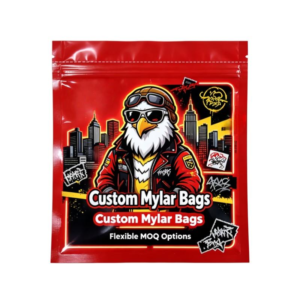
These custom printed 3.5g cannabis pouches are die-cut Cali-style packaging pouches for cannabis brands, distributors, private-label programs, and wholesale buyers that need a distinctive small-format pack. The stated 3.5g fill reference identifies the intended pack size, but it does not establish one universal pouch dimension because flower density, shape, headspace, seal geometry, and filling equipment affect the final specification.
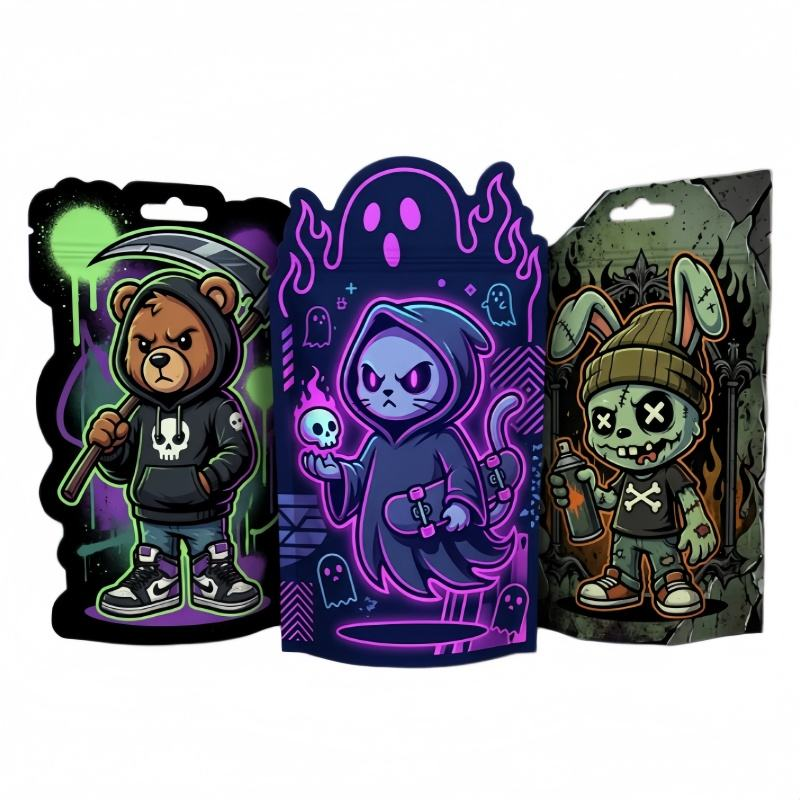
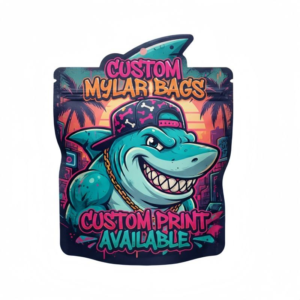
The die-cut format gives the package a shaped presentation rather than a standard rectangular pouch profile. It can support a recognizable brand silhouette and custom artwork, while the final die line, usable print area, material structure, closure, and seal design must be confirmed before production.
Product Specifications
| Product type | Custom printed die-cut cannabis packaging pouch |
|---|---|
| Stated fill reference | 3.5g; final usable capacity depends on product density and headspace |
| Pack format | Die-cut Cali-style pouch |
| Contents | Intended for cannabis packaging; confirm flower, pre-roll, edible, or another product before specification |
| Material structure | To be selected and confirmed according to barrier, appearance, seal, and destination-market requirements |
| Closure | To be confirmed; zipper, heat seal, tear notch, or a selected combination may be considered |
| Printing | Custom printing; artwork limits depend on the die line, substrate, print process, and finish |
| Dimensions | Not stated; confirm external dimensions, usable interior, seal width, and opening position |
| Finish | Not stated; confirm the required surface appearance and compatibility with the selected structure |
Match the Pouch to the Cannabis Product
For cannabis flower, a 3.5g reference should be treated as a starting point rather than a guaranteed volume. Dense, compact flower may occupy less space than loose, irregular flower. Ask for the actual product dimensions or representative samples, then confirm the pouch height, width, seal area, and practical headspace. Excessive headspace can increase product movement and affect presentation, while insufficient headspace can make filling, sealing, and handling difficult.
The intended contents also affect the packaging decision. Flower buyers should review aroma containment, moisture management, oxygen exposure, light exposure, puncture resistance, and seal integrity. Pre-rolls require a different evaluation because length, diameter, internal movement, and crush risk may determine whether a die-cut pouch is suitable. Edibles may require attention to moisture, grease resistance, resealability, serving information, warning space, and applicable food-contact requirements. Confirm the destination market and product category before selecting the final structure.
Laminate, Barrier, and Seal Decisions
The pouch appearance does not identify its complete barrier structure. Matte, metallic, holographic, kraft-style, or other visual effects may be selected separately from the layers that influence aroma, moisture, oxygen, and light protection. A suitable laminate can help contain aroma and protect the contents, depending on the selected material structure and how the pouch is sealed. “Smell resistant” should therefore be treated as a performance objective to verify, not an absolute or permanent guarantee.
Material selection also involves trade-offs. A higher-barrier structure may provide stronger protection against environmental exposure, but it can affect stiffness, folding behavior, print appearance, recyclability considerations, or cost. A transparent window can improve product visibility, but the exposed viewing area may reduce light protection compared with an opaque construction. The complete laminate, print system, die-cut shape, seal width, and filling conditions should be reviewed together.
Die-Cut Shape, Filling, and Usable Area
Die-cut marijuana packaging pouches need artwork and engineering that follow the actual cut line. Important areas include the top opening, heat-seal zone, zipper position if selected, tear-notch location, corner radii, and any narrow or curved sections. Decorative contours may reduce the practical fill opening or create areas where product can catch during filling. A pouch that looks effective on a flat artwork proof may need adjustment after the usable interior and sealing geometry are reviewed.
For manual or automated filling, confirm how the pouch will be presented, opened, supported, filled, settled, and sealed. If the pack is filled by equipment, provide the machine or filling-method details and test the pouch with the actual product. A 3.5g pouch for loose flower may need a different opening and headspace strategy from a pouch used for compact product portions.
Closure and Resealability
An ordinary zipper can support consumer resealing, but it should not automatically be described as a child-resistant closure. If the destination market requires child-resistant packaging, specify that requirement separately and request the appropriate tested closure or packaging system. A heat seal can provide a sealed presentation after filling, while a tear notch can make opening easier; these features may be combined with a zipper when the selected construction allows it.
Closure choices affect filling speed, opening behavior, seal area, pouch height, and artwork placement. Confirm whether the buyer needs a zipper, heat seal, tear notch, a tested child-resistant solution, or another opening format. Final performance depends on the selected material, sealing temperature, pressure, dwell time, equipment, and operator or machine setup.
Custom Printing and Multi-SKU Consistency
Custom printed cannabis flexible pouches can give each strain, flavor, product line, or private-label program a consistent visual system. Before artwork is finalized, request the die line and identify the live print area, non-print seal zones, opening position, registration requirements, and any limitations created by the chosen finish or substrate. Keep regulatory text, warnings, batch fields, labels, and variable information in areas that remain readable after forming and sealing.
For multiple SKUs, define which elements stay constant and which change. Brand colors, logo placement, pouch silhouette, finish, and closure can remain consistent across a range, while strain names, product identifiers, artwork panels, or color accents can vary. A controlled artwork matrix helps prevent version errors and makes it easier to compare proofs across several 3.5g products. Confirm whether each version requires separate artwork approval and how variable information will be applied.
Destination-Market Review Before Ordering
Packaging requirements vary by destination, product type, labeling system, and selling channel. A procurement team should identify the target market, contents, required warnings, child-resistance expectations, food-contact considerations where relevant, recycling or disposal information, and any testing or documentation needed by the buyer. This page does not establish certification, approval, or compliance for the pouches. Those points must be reviewed against the final material, closure, artwork, and market requirements.
Frequently Asked Questions
Does the 3.5g reference determine the final pouch size?
No. The 3.5g reference does not establish one universal pouch dimension. Product density, flower shape, headspace, seal geometry, and filling method must be reviewed before the final size is selected.
Can these die-cut Cali bags be used for products other than flower?
They may be considered for other cannabis products, but suitability depends on the contents. Pre-rolls require review of length, diameter, movement, and crush risk, while edibles may require moisture, grease, resealability, serving-information, and food-contact review.
Does the printed appearance confirm the pouch barrier?
No. The visual finish does not identify the complete laminate. Aroma, moisture, oxygen, and light performance depend on the selected structure and sealing system.
Is a zipper automatically child resistant?
No. An ordinary resealable zipper should be distinguished from a tested child-resistant closure. If child resistance is required, state it as a separate specification for review.
What artwork information is needed for custom printing?
Provide the required die-cut shape, artwork versions, brand and regulatory content, desired finish, opening position, and any variable SKU information. The final print area must be checked against the die line, substrate, seal zones, and selected print process.
What should a wholesale buyer include in an RFQ?
Include the contents, fill weight or actual product dimensions, desired pouch dimensions, quantity, artwork versions, material or barrier preference, closure, finish, filling method, destination market, and compliance needs.
Request a Product-Specific RFQ
For a useful quotation on these custom printed cannabis pouches, send the contents, 3.5g fill reference or actual product dimensions, desired pouch dimensions, quantity, number of artwork versions, material or barrier requirements, closure preference, finish, filling method, destination market, and compliance needs. Those details allow the die-cut shape, usable volume, headspace, artwork area, seal system, and final specification to be reviewed before ordering.
Reviews
There are no reviews yet.